Awarded 2025 Travelers' Choice


About Backcountry Journeys
Why Choose Backcountry Journeys
If you're considering a photography trip, hear why Backcountry Journeys delivers the best experience in the industry.Frequently Asked Questions
If you're new to photography trips, or new to BCJ, you can find our common travel questions here.Fitness Levels
Our trips vary on physical intensity, and by reviewing our fitness levels, you can find out which trips may be more challenging, or aligned more closely with your comfort level.Meet The Crew
We've built an amazing team of experienced guides, and dedicated office staff that elevate your travel experience. Get to know their backgrounds, and hear their stories.Loyalty Program
We reward our frequent photo adventurers with exclusive discounts on amazing photography trips.Contact Us
If you need to get in touch with our office staff, or have additional business inquiries, you can find our information here.Refer a Friend
Know someone perfect for one of our tours? Recommend them through this quick form.Stay Up To Date On All Things
Backcountry Journeys
Backcountry Journeys
Our Photography Community
Our Webinars
Our regularly hosted webinars provide photography instruction from our own guides on a wide range of topics.Our Education Portal
Explore our library of articles that cover everything from common questions, to in-depth guides on how to achieve that perfect shot.Community Testimonials
We're proud to foster an amazing group of photo travelers, and here you can find their stories from their past adventures.Resources For Photographers
About Our Company
Resources For Photographers
About Our Company
Top Cameras of 2020

Published January 4, 2021
I think it goes without saying that all of us are looking forward to putting 2020 in the rear-view mirror. It was a forgettable year on almost every front – except one.
This past year was actually quite an impressive one for camera releases. We saw new flagship models from Canon and Nikon, a crop-sensor that set the industry standard from Fuji, a fantastic video-centric mirrorless camera from Sony, and a few other standouts that we’ll get to.
It’s a great time to be a photographer so we compiled our list of top cameras of 2020. Most of the cameras on the list were released in 2020, but we added some fantastic models released in recent years that saw a price cut in 2020, making them even more enticing.
This past year was actually quite an impressive one for camera releases. We saw new flagship models from Canon and Nikon, a crop-sensor that set the industry standard from Fuji, a fantastic video-centric mirrorless camera from Sony, and a few other standouts that we’ll get to.
It’s a great time to be a photographer so we compiled our list of top cameras of 2020. Most of the cameras on the list were released in 2020, but we added some fantastic models released in recent years that saw a price cut in 2020, making them even more enticing.
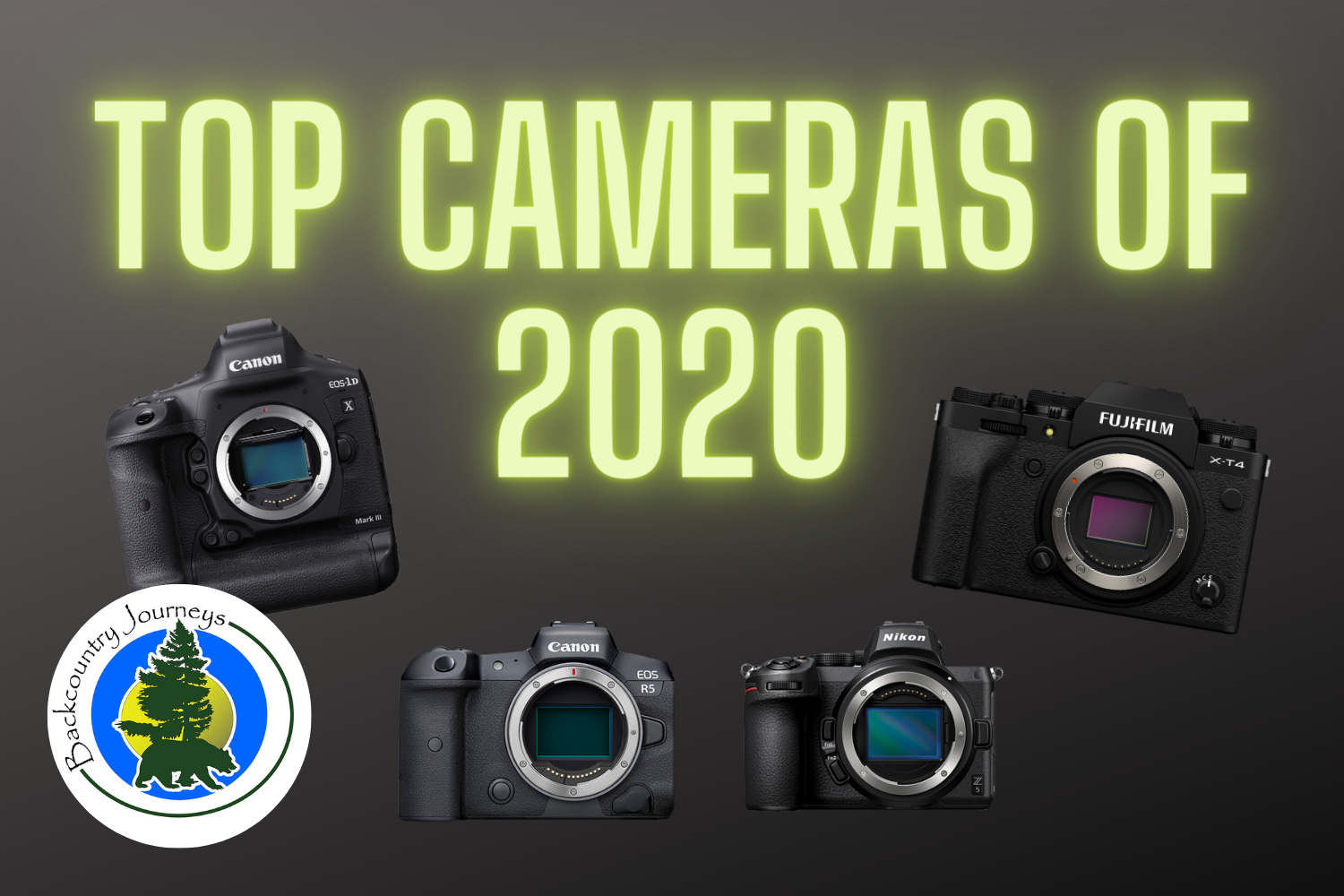
If you’re in the market for a new camera, that’s great news, because there are excellent options available no matter what system you prefer. More than likely, the camera you’re looking for was released in 2020. So, let’s shut the door on 2020 by paying homage to a few of the really awesome cameras released within. Then, we can turn the page to 2021 and hope for a great year!
#1 – Canon EOS R5
#1 – Canon EOS R5
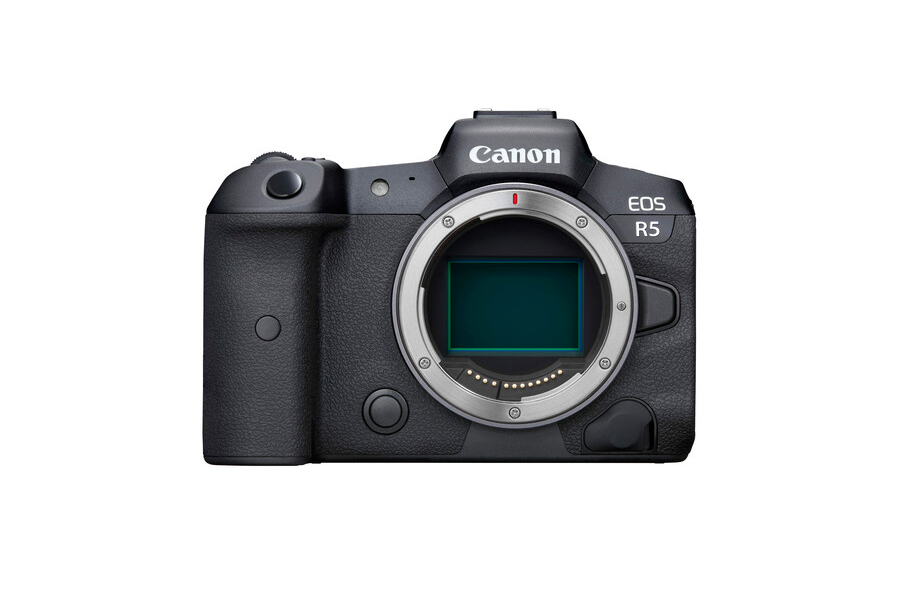
Key Features
#2 – Nikon Z7 II
- 45MP Full-Frame CMOS Sensor
- 8K30 Raw and 4K120 10-Bit Internal Video
- Sensor-Shift 5-Axis Image Stabilization
- 12 fps Mech. Shutter, 20 fps E. Shutter
- Dual Pixel CMOS AF II with 1053 Points
- .5″ 5.76m-Dot OLED EVF
- 3.2″ Vari-Angle Touchscreen LCD
- CFexpress & SD UHS-II Memory Card Slots
#2 – Nikon Z7 II
Key Features
The Nikon Z7 II is top of the line – it has excellent dynamic range, noise handling, and overall image quality. The Canon EOS R5 does excel when it comes to burst rate and the R5 is one of the best video cameras out there…the Z7 II cannot even do 10-bit internally, unfortunately.
All in all, though, the Z7 II is a fantastic camera.
#3 – Fujifilm XT-4
- 45.7 MP FX-Format BSI CMOS Sensor
- Dual EXPEED 6 Image Processors
- UHD 4K60 Video; N-Log & 10-Bit HDMI Out
- 10 fps Cont. Shooting, ISO 64-25600
- 493-Point Phase-Detect AF System
- 3.6m-Dot OLED Electronic Viewfinder
- 3.2″ 2.1m-Dot Tilting Touchscreen LCD
- 5-Axis In-Body Vibration Reduction
- Dual Memory Card Slot
The Nikon Z7 II is top of the line – it has excellent dynamic range, noise handling, and overall image quality. The Canon EOS R5 does excel when it comes to burst rate and the R5 is one of the best video cameras out there…the Z7 II cannot even do 10-bit internally, unfortunately.
All in all, though, the Z7 II is a fantastic camera.
#3 – Fujifilm XT-4
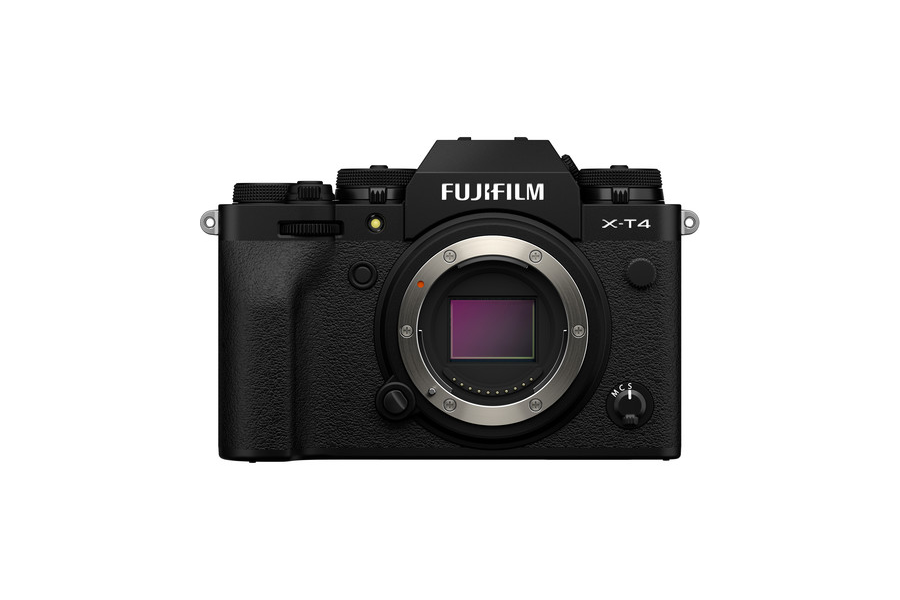
Key Features
The XT-4 features a sensor with 26.1 MP, which is a great resolution for all types of photography. The image quality and AF system are excellent. Plus, it can do 20 fps at 26.1 MP, but downscale the resolution to 20.1 MP in-camera, and it can do 30 fps!
It also has the ability to internally record 10-bit cinema 4K (4096 x 2160) at up to 60 fps. The XT-4 is a still and video beast. It’s one of our favorite cameras. It also has a unique and beloved body design that’s much different from other manufacturers. If you have no interest in full-frame and video is an important consideration for you, this is the camera for you, hands down.
#4 – Sony A7s III
- 26.1MP APS-C X-Trans BSI CMOS 4 Sensor
- X-Processor 4 Image Processor
- 5-Axis In-Body Image Stabilization
- DCI/UHD 4K at 60 fps, Full HD at 240 fps
- 425-Point Hybrid AF System
- 3.69m-Dot 0.75x OLED EVF
- 3.0″ 1.62m-Dot Vari-Angle Touchscreen
- ISO 160-12800, up to 15-fps Shooting
- Bluetooth and Wi-Fi Connectivity
- Film Simulation Modes
The XT-4 features a sensor with 26.1 MP, which is a great resolution for all types of photography. The image quality and AF system are excellent. Plus, it can do 20 fps at 26.1 MP, but downscale the resolution to 20.1 MP in-camera, and it can do 30 fps!
It also has the ability to internally record 10-bit cinema 4K (4096 x 2160) at up to 60 fps. The XT-4 is a still and video beast. It’s one of our favorite cameras. It also has a unique and beloved body design that’s much different from other manufacturers. If you have no interest in full-frame and video is an important consideration for you, this is the camera for you, hands down.
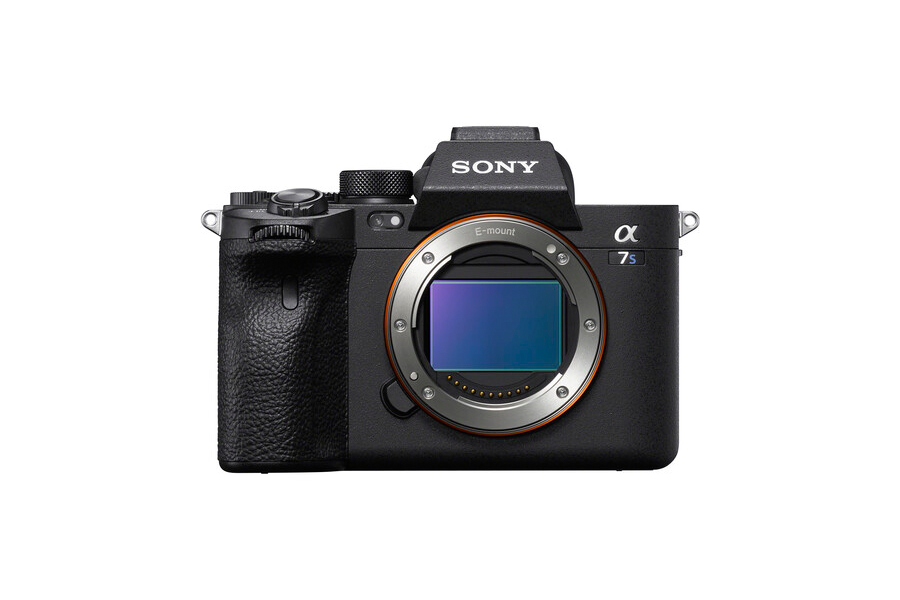
#4 – Sony A7s III
Key Features
The A7s III can do 4k120p 10-bit 4:2:2 internally and does not have the 15-minute soft cap like the EOS R5. Amazingly, it can record 16-bit RAW video via HDMI. The focus system is flawless, much like in Sony’s other pro bodies.
The A7s III is a nature cinematographer’s dream. With that said, it’s pretty incredible that the EOS R5, with a 45 MP sensor, can compete with a lot of the A7s III video features. If you are shooting an extended video (15-30+ minutes) and doing it externally, the A7s III wins out. But, the EOS R5 can do 8K and offers 45 MP for stills…so you can see, why the R5 is at the top of the list.
#5 – Canon EOS R6
- 12MP Full-Frame Exmor R BSI CMOS Sensor
- UHD 4K 120p Video, 10-Bit 4:2:2 Internal
- 16-Bit Raw Output, HLG & S-Log3 Gammas
- 759-Point Fast Hybrid AF
- 9.44m-Dot QXGA OLED EVF
- 3.0″ 1.44m-Dot Vari-Angle Touchscreen
- 5-Axis SteadyShot Image Stabilization
- Extended ISO 40-409600, 10 fps Shooting
- Dual CFexpress Type A/SD Card Slots
The A7s III can do 4k120p 10-bit 4:2:2 internally and does not have the 15-minute soft cap like the EOS R5. Amazingly, it can record 16-bit RAW video via HDMI. The focus system is flawless, much like in Sony’s other pro bodies.
The A7s III is a nature cinematographer’s dream. With that said, it’s pretty incredible that the EOS R5, with a 45 MP sensor, can compete with a lot of the A7s III video features. If you are shooting an extended video (15-30+ minutes) and doing it externally, the A7s III wins out. But, the EOS R5 can do 8K and offers 45 MP for stills…so you can see, why the R5 is at the top of the list.
#5 – Canon EOS R6
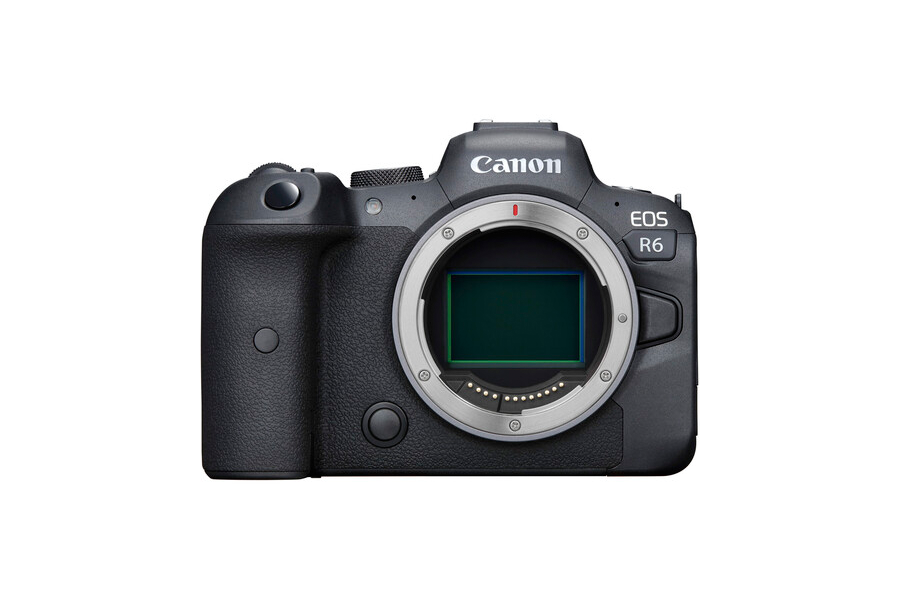
Key Features
The biggest change is the downsizing of the sensor from 45MP to 20MP. Although, I think 20MP is plenty if you’re not doing excessive cropping. We also lose the 8K and 4K120p capabilities. But, the EOS R6 can still do 10-bit 4K60p internally, which’s better than Nikon’s Z6 II and Sony’s A7 III.
The AF system is similar to the R5 and is industry-leading. The R6 actually features better low light focusing than the R5. The super-speedy burst rates of 12 fps with the mechanical shutter and 20 fps with the electronic shutter are available with the R6 too.
Really, it comes down to resolution and video. If those two things are really important to you, it might be better to go with the R5, but if not, the R6 will be a workhorse for you.
#6 – Nikon Z6 II
- 20MP Full-Frame CMOS Sensor
- DIGIC X Image Processor
- 4K60p and FHD 120p 10-Bit Internal Video
- Sensor-Shift 5-Axis Image Stabilization
- 12 fps Mech. Shutter, 20 fps E. Shutter
- Dual Pixel CMOS AF II with 1053 Points
- 0.5″ 3.69m-Dot OLED EVF
- 3″ 1.62m-Dot Vari-Angle Touchscreen LCD
- Subject Tracking with Deep Learning
- Dual SD UHS-II Memory Card Slots
The biggest change is the downsizing of the sensor from 45MP to 20MP. Although, I think 20MP is plenty if you’re not doing excessive cropping. We also lose the 8K and 4K120p capabilities. But, the EOS R6 can still do 10-bit 4K60p internally, which’s better than Nikon’s Z6 II and Sony’s A7 III.
The AF system is similar to the R5 and is industry-leading. The R6 actually features better low light focusing than the R5. The super-speedy burst rates of 12 fps with the mechanical shutter and 20 fps with the electronic shutter are available with the R6 too.
Really, it comes down to resolution and video. If those two things are really important to you, it might be better to go with the R5, but if not, the R6 will be a workhorse for you.
#6 – Nikon Z6 II
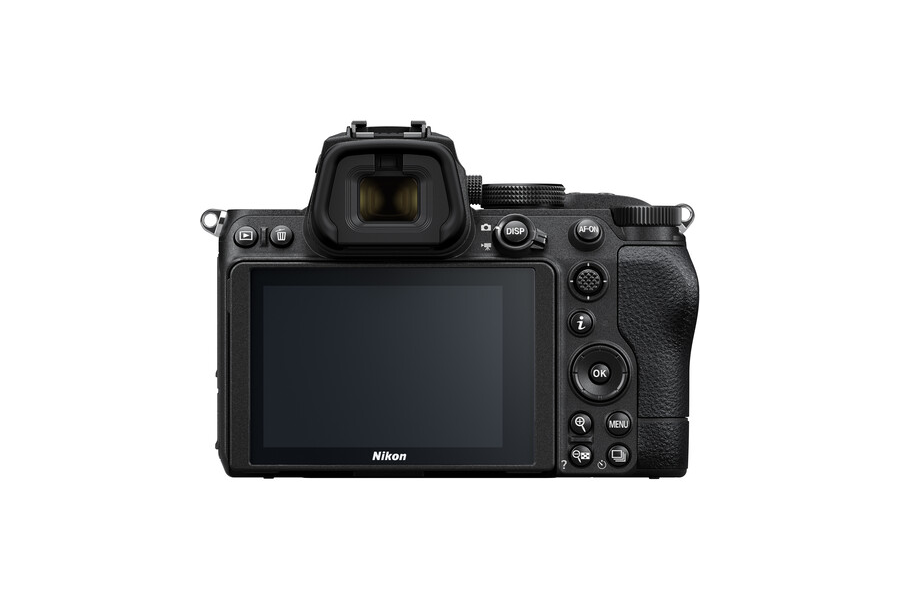
Key Features
The Z6 II is a fantastic camera for Nikon shooters. It has great resolution, it’s faster than the Z7 II, it can do awesome video externally, and it now has dual card slots.
The Z6 originally released as Nikon’s hybrid camera. The Z6 II is one of the best stills mirrorless cameras out there for the price, but Canon has definitely crept past it with the R6 for video. The Z6II is promised a 4k60p update, but for the best 10-bit quality, you need an external recording.
But, the Z6 II is awesome. I’d like to see a fully articulating screen on these Z bodies in the future, but that’s trivial. If you want a do-it-all camera for landscape and wildlife. I think the Z6 II is a great choice.
#7 – Canon 1D X Mark III
- 24.5 MP FX-Format BSI CMOS Sensor
- Dual EXPEED 6 Image Processors
- UHD 4K30 Video; N-Log & 10-Bit HDMI Out
- 14 fps Cont. Shooting, ISO 100-51200
- 273-Point Phase-Detect AF System
- 3.6m-Dot OLED Electronic Viewfinder
- 3.2″ 2.1m-Dot Tilting Touchscreen LCD
- 5-Axis In-Body Vibration Reduction
- Dual Memory Card Slots
The Z6 II is a fantastic camera for Nikon shooters. It has great resolution, it’s faster than the Z7 II, it can do awesome video externally, and it now has dual card slots.
The Z6 originally released as Nikon’s hybrid camera. The Z6 II is one of the best stills mirrorless cameras out there for the price, but Canon has definitely crept past it with the R6 for video. The Z6II is promised a 4k60p update, but for the best 10-bit quality, you need an external recording.
But, the Z6 II is awesome. I’d like to see a fully articulating screen on these Z bodies in the future, but that’s trivial. If you want a do-it-all camera for landscape and wildlife. I think the Z6 II is a great choice.
#7 – Canon 1D X Mark III
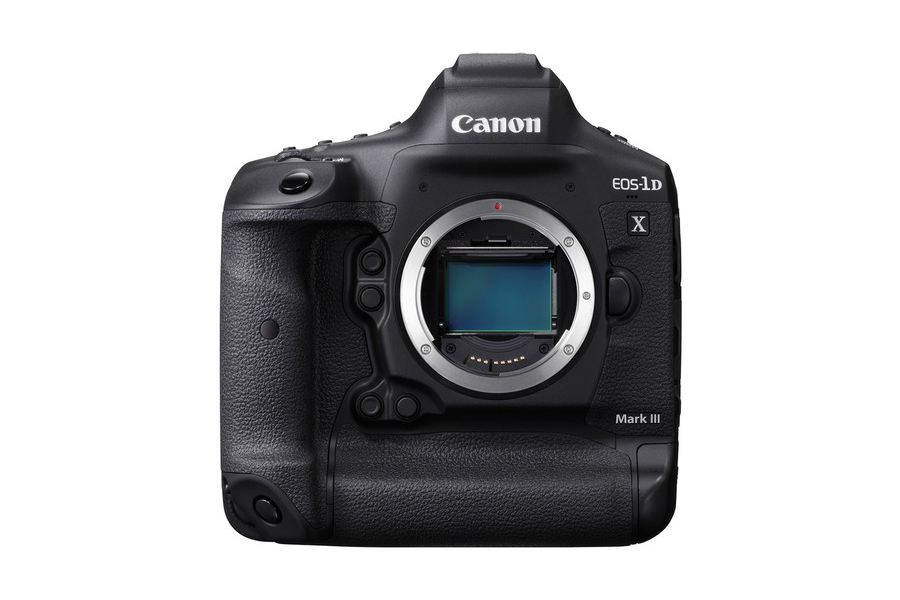
Key Features
The 1D X Mark III is geared towards wildlife photographers. You will be hard-pressed to find a better AF system for moving subjects, plus it can hit 20 fps.
Canon kicked off the year with this one, but I think an important question is – why go with the 1D X when the EOS R5 is there? The R5 can do 20 fps,has an equally good AF system, has more resolution, and better video capabilities.
Yes, those Canon super primes you have won’t be native with the R5, but they will work great. I’m interested to hear your thoughts in the comments if you are going 1D X Mark III over the R5.
#8 – Nikon Z5
- 20.1MP Full-Frame CMOS Sensor
- DIGIC X Image Processor
- EOS iTR AF X 191-Point AF System
- Dual Pixel CMOS AF, 525 Selectable Areas
- Up to 20 fps Shooting, ISO 100-102400
- 4K60 10-Bit 4:2:2 Internal Recording
- Canon Log and 5.5K Raw Video Support
- Wi-Fi, Bluetooth, and GPS
- Dual CFexpress Memory Card Slots
The 1D X Mark III is geared towards wildlife photographers. You will be hard-pressed to find a better AF system for moving subjects, plus it can hit 20 fps.
Canon kicked off the year with this one, but I think an important question is – why go with the 1D X when the EOS R5 is there? The R5 can do 20 fps,has an equally good AF system, has more resolution, and better video capabilities.
Yes, those Canon super primes you have won’t be native with the R5, but they will work great. I’m interested to hear your thoughts in the comments if you are going 1D X Mark III over the R5.
#8 – Nikon Z5
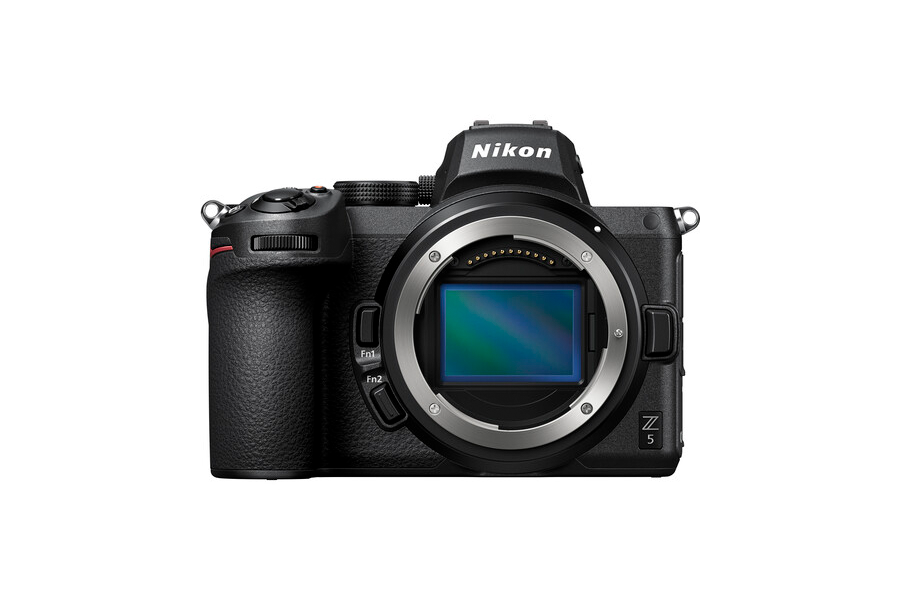
Key Features
At first glance, the Z5 looks very similar to the Z6. But, the Z5 uses an FSI sensor versus a BSI, which means low light performance is better on the Z6. The Z6 also has a higher resolution LCD and more robust video features.
With that said, I’ll emphasize that the Z5 is the perfect transition camera to full-frame. It really is much more than that too, it’s one of the best cameras for the price.
#9 – Nikon D6
- 24.3MP FX-Format CMOS Sensor
- EXPEED 6 Image Processor
- UHD 4K and Full HD Video Recording
- 3.6m-Dot OLED Electronic Viewfinder
- 3.2″ 1.04m-Dot Tilting Touchscreen LCD
- 5-Axis Sensor-Shift Vibration Reduction
- ISO 100-51200, Up to 4.5 fps Shooting
- Built-In Wi-Fi and Bluetooth
- Dual SD UHS-II Card Slots
At first glance, the Z5 looks very similar to the Z6. But, the Z5 uses an FSI sensor versus a BSI, which means low light performance is better on the Z6. The Z6 also has a higher resolution LCD and more robust video features.
With that said, I’ll emphasize that the Z5 is the perfect transition camera to full-frame. It really is much more than that too, it’s one of the best cameras for the price.
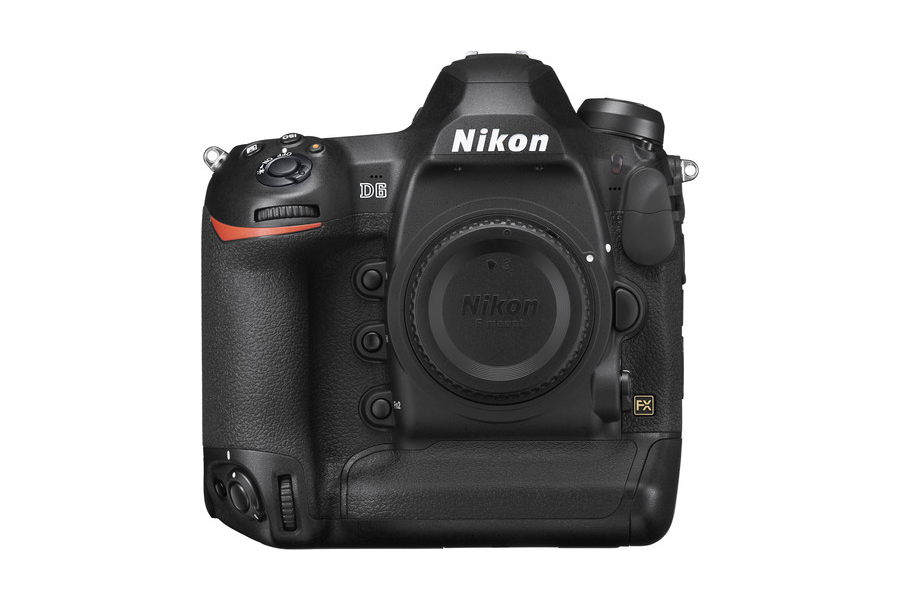
#9 – Nikon D6
Key Features
Just like with the 1D X Mark III. Is there a reason to spend this much on the D6 when you could buy a Canon R5 and use the extra money for lenses? Even the Z7 II is approaching this class for almost half the price. But, I think it’s important to note that we need some real-world tests with the new AF system on the Z7 II for a true comparison because the focus system on the D6 is top of the line.
I really don’t know the right answer. I think it will be interesting to see what Nikon and Canon do with their DSLR flagships, as they both seem keen on developing their mirrorless line.
#10 – Panasonic S5
- 20.8MP FX-Format CMOS Sensor
- EXPEED 6 Image Processor
- Multi-CAM 37K 105-Pt. All Cross-Type AF
- 14 fps Shooting, Extended ISO 3280000
- 4K UHD Video Recording at 30 fps
- 3.2″ 2.36m-Dot Touchscreen LCD Monitor
- .72x-Mag. Pentaprism Viewfinder
- 180k-Pixel RGB Sensor and Group Area AF
- Built-In Wi-Fi, Bluetooth, and GPS
- 1000 Base-T Gigabit Wired LAN Support
Just like with the 1D X Mark III. Is there a reason to spend this much on the D6 when you could buy a Canon R5 and use the extra money for lenses? Even the Z7 II is approaching this class for almost half the price. But, I think it’s important to note that we need some real-world tests with the new AF system on the Z7 II for a true comparison because the focus system on the D6 is top of the line.
I really don’t know the right answer. I think it will be interesting to see what Nikon and Canon do with their DSLR flagships, as they both seem keen on developing their mirrorless line.
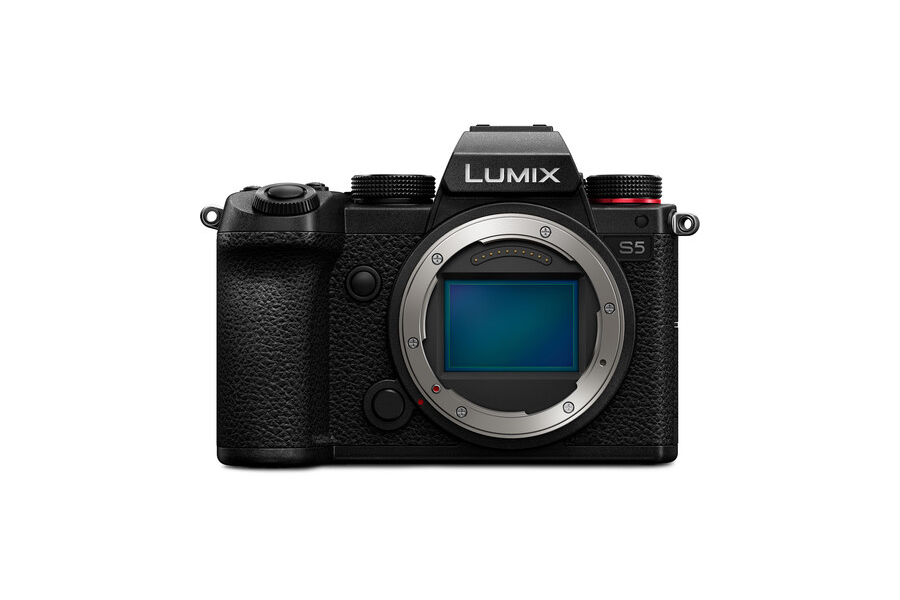
#10 – Panasonic S5
Key Features
The Panasonic S5 is new for 2020 and slots in around that $2,000 price range, making it a direct competitor to peers such as the Nikon Z6 II, the Canon EOS R6, and the Sony A7 III.
The S5 is a great camera. It offers excellent image quality to its peers. It even trounces the Z6 II and A7 III when it comes to internal video, but the big question with the S5 is its focus system. It solely relies on a Contrast-Detect system, where almost all other mirrorless cameras are using a hybrid system with contrast detection and phase detection.
It makes a huge difference, from my personal experience with all of these cameras, the Nikon, Canon, and Sony will have better AF systems. That’s a huge piece of the puzzle too. Now, the S5 features some of Panasonic’s best AF technology, so it’s still really good, but just not at the level of some of the other big players.
- 24.2 MP Full-Frame CMOS Sensor
- UHD 4K60 Video,10-Bit Internal Recording
- V-Log, HDR, and Dual Native ISO
- 2.36m-Dot 0.74x-Magnification OLED LVF
- 3.0″ 1.84m-Dot Free-Angle Touchscreen
- Contrast-Detect 225-Area DFD AF System
- 5-Axis Sensor-Shift Image Stabilization
- ISO 100-51200, Up to 7 fps Shooting
- 96MP High-Res Mode, Dual SD Card Slots
The Panasonic S5 is new for 2020 and slots in around that $2,000 price range, making it a direct competitor to peers such as the Nikon Z6 II, the Canon EOS R6, and the Sony A7 III.
The S5 is a great camera. It offers excellent image quality to its peers. It even trounces the Z6 II and A7 III when it comes to internal video, but the big question with the S5 is its focus system. It solely relies on a Contrast-Detect system, where almost all other mirrorless cameras are using a hybrid system with contrast detection and phase detection.
It makes a huge difference, from my personal experience with all of these cameras, the Nikon, Canon, and Sony will have better AF systems. That’s a huge piece of the puzzle too. Now, the S5 features some of Panasonic’s best AF technology, so it’s still really good, but just not at the level of some of the other big players.

We offer world-class travel photography
experiences around the world.
Each tour is bundled with lodging, meals, and transportation between workshops included, allowing you to focus on photography instead of the stress of traveling.
experiences around the world.
Each tour is bundled with lodging, meals, and transportation between workshops included, allowing you to focus on photography instead of the stress of traveling.
Get Our Trip Catalog
Receive a trip catalog that highlights all of our upcoming photo tours and workshops.Schedule a Trip Consultation
Meet with a photo experience coordinator, and experience a personal touch to your booking experience.Landscape Guide
Receive a FREE Landscape Cheat Sheet Written By a Pro Photographer.Webinars
Our regularly hosted webinars provide photography instruction from our own guides on a wide range of topics.Education Portal
Explore our library of articles that cover everything from common questions, to in-depth guides on how to achieve that perfect shot.
Backcountry Journeys
Connecting Passionate People To
Exceptional Experiences.
Exceptional Experiences.
Business Hours:
Mon-Fri, 8AM-4PM MT
928-478-1521
adventure@backcountryjourneys.com
Mon-Fri, 8AM-4PM MT
928-478-1521
adventure@backcountryjourneys.com
arrow_drop_down_circle
Divider Text
All Images & Content Are Property Of Backcountry Journeys Photography Tours, Workshops & Safaris LLC - Copyright 2026


About Us
Receive a Digital Trip Catalog
Find an upcoming photography tour with our interactive catalog.